Introduction to Thinking and Knowledge Acquisition · Lesson 08 of 8
The Mission of Roberts Academy
Why this academy exists, who B. H. Roberts was, and how to carry the habits of this course into everything that follows.
You have now spent seven lessons on the tools of a thinking life: why to learn, what philosophy is, how to teach yourself, how paradigms shape sight, how to read, why languages matter, and why humility and charity are intellectual virtues and not merely social graces. This final lesson explains the institution those lessons introduce: what Roberts Academy is for, and what we hope you do next.
The man the academy is named for
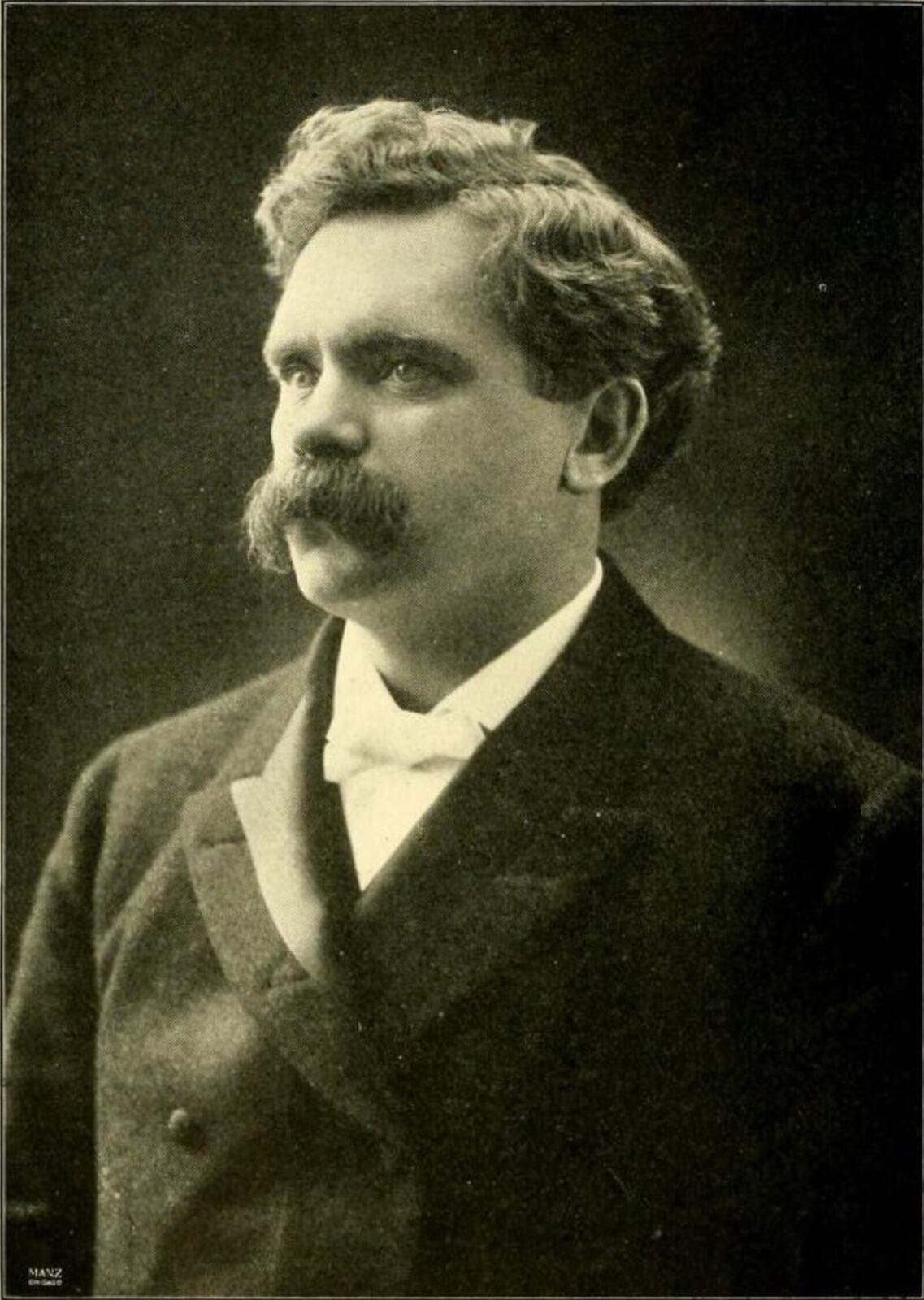
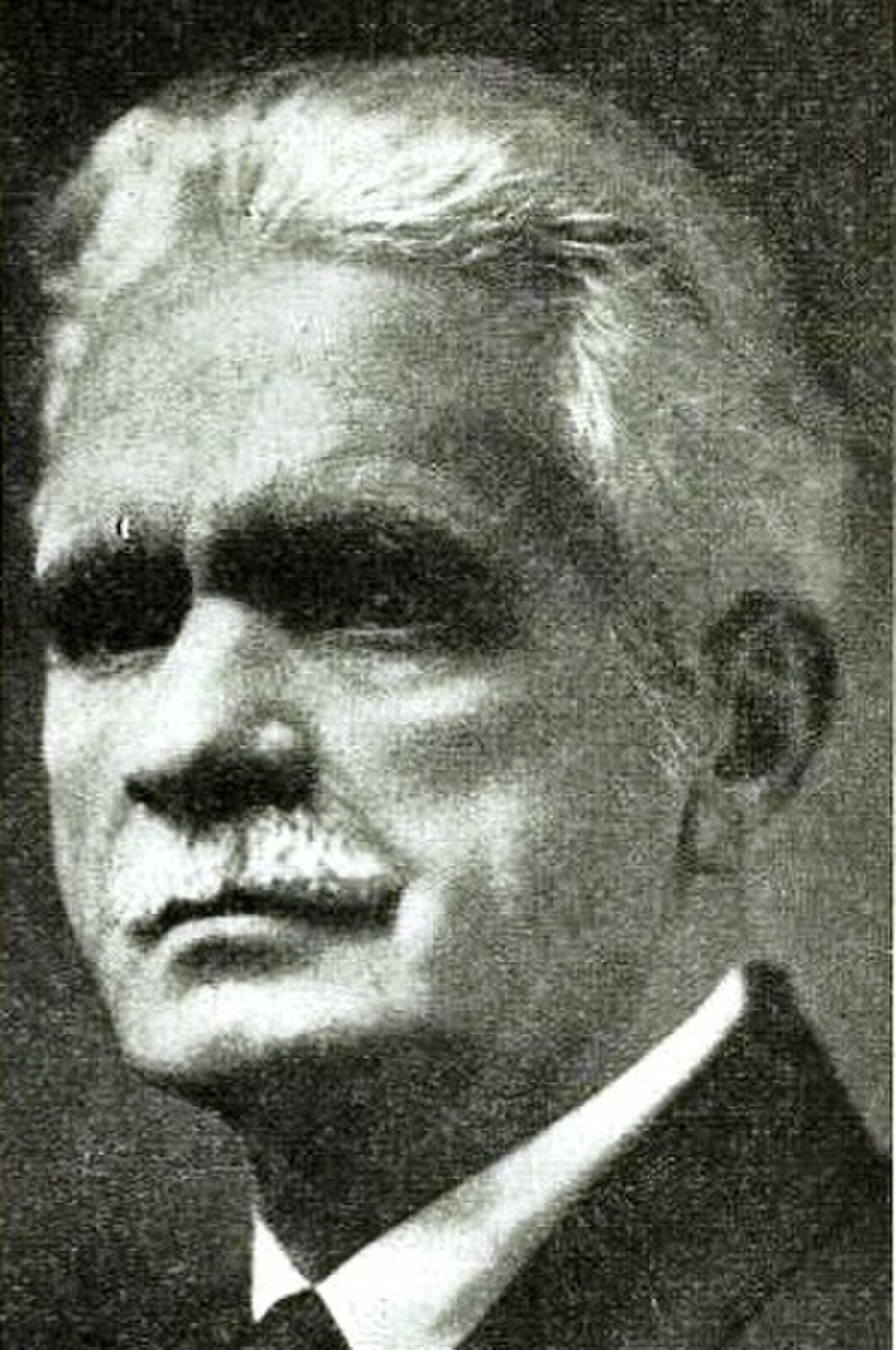
Brigham Henry Roberts was born in Warrington, England, in 1857, to a poor family of Latter-day Saint converts. He crossed the plains to Utah as a child, worked as a miner and a blacksmith’s apprentice, and by his own account reached his teenage years barely able to read. Almost everything he later knew, he taught himself at night, between shifts, book by borrowed book.
B. H. Roberts in a portrait published in 1901.
That self-education made him one of the most formidable Latter-day Saint minds of his generation: a member of the First Council of the Seventy, Assistant Church Historian, editor of the multi-volume documentary history of the church, and author of works of theology and history, including The Truth, the Way, the Life. He debated, wrote, and studied to the end of his life, and he did not flinch from hard questions; he gathered them, studied them, and handed his work to the next generation. He was not a perfect man or an infallible scholar, and the academy does not ask you to treat him as one. It asks you to notice what he proved: that serious learning does not require wealth, credentials, or permission. It requires desire, discipline, and time.
B. H. Roberts in a photograph published in 1934.
What the academy is
Roberts Academy exists to give away a humanities education — philosophy, theology and scripture, and history, taught from the best modern academic treatments — to anyone willing to do the work, and especially to Latter-day Saints who will never sit in a university seminar room. There is no tuition and there will never be any. The curriculum is built around real books, most of them free and in the public domain, with lessons that orient you, quizzes that check your understanding, and sequences that build from foundations toward difficult material.
Three convictions run through everything:
Learning is intrinsically good. The academy rejects the assumption that education is chiefly a career instrument. Formation of the mind and the desires is the point; usefulness follows in ways no one can schedule.
Foundations come before conclusions. Every discipline here is taught with its philosophy and its history attached, because facts without their underlying questions produce confident, brittle minds.
Faith and honesty are not rivals. The academy is a believing institution that refuses to protect belief with bad arguments or selective evidence. We read critics carefully, represent them charitably, and trust, as Roberts did, that patient study serves discipleship better than fear does.
What the academy is not
No employer will care about your XP total, so this is not a credential. It is not a debate club for winning arguments against other traditions, and where scholarship is genuinely unsettled, our courses say so rather than manufacture an apologetic. Nor is it a substitute for the books themselves: every lesson here is a doorway, and a student who reads only lessons and never the readings has simply stood in doorways.
Where to go from here
Finishing this course is the prerequisite for everything else in the catalog. From here the pillars open: philosophy, theology, and history, each a sequence of courses built on real texts. Pick the pillar that pulls at you — desire is the best engine of stamina — and begin its first course. Keep the habits this course gave you: a reading block guarded like sacred time, a notebook of questions, a language you are slowly acquiring, and the standing suspicion that your current paradigm is not the last word.
B. H. Roberts once had less to work with than you have right now. Go to work.
Readings
B. H. Roberts, Defense of the Faith and the Saints, Vol. 1 — freely available on archive.org; sample his voice and method directly.
Truman G. Madsen’s biographical lectures on B. H. Roberts — freely available as audio; an accessible portrait of his life.
Doctrine and Covenants 88:118 and 130:18–19 — the scriptural charter for learning “by study and also by faith.”
Finished reading?
Mark this lesson complete — or answer the quiz below and it will
complete itself.